
Introduction to Tarangire National Park
The Tarangire National Park is one of Tanzania’s most underrated yet spectacular safari destinations. Known for its massive elephant herds, ancient baobab trees, and diverse wildlife, Tarangire offers a quieter, more intimate safari experience compared to its famous neighbors.
Often described as a “hidden gem” of the Northern Safari Circuit, Tarangire delivers breathtaking scenery and exceptional game viewing, especially during the dry season when wildlife gathers along its life-giving river
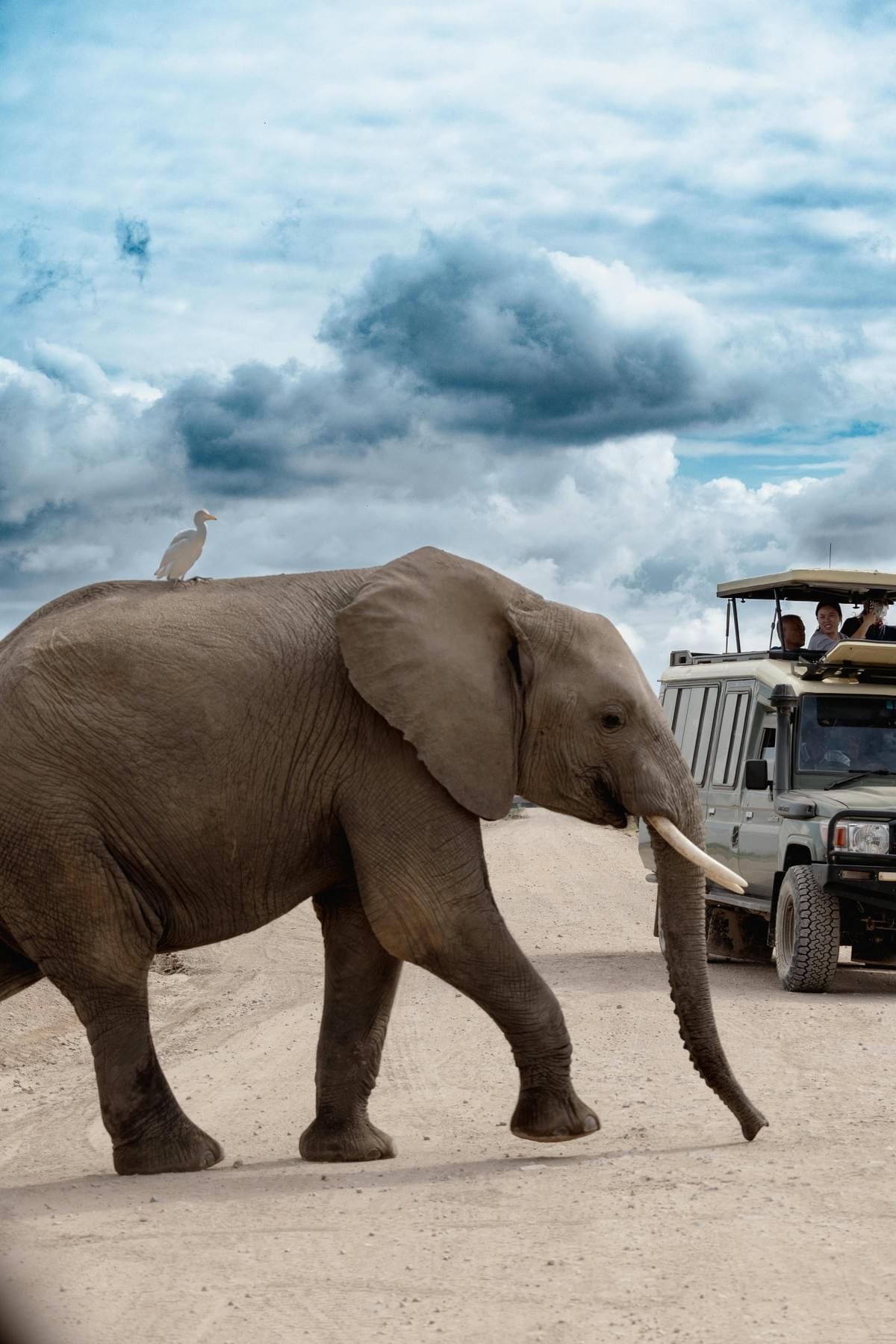
Brief Description & Key Attractions
Tarangire National Park covers approximately 2,850 square kilometers and is named after the Tarangire River, the park’s primary water source. Its key attractions include:
- Large elephant populations (among the highest in Tanzania)
- Iconic baobab trees (some hundreds of years old)
- Seasonal wildlife migration
- Birdwatching paradise with over 500 species
- Scenic landscapes and peaceful game drives
Where is Tarangire Located?
Tarangire is located in northern Tanzania, about 120 km southwest of Arusha. It is part of Tanzania’s renowned Northern Safari Circuit, making it easily accessible and often combined with other top parks.
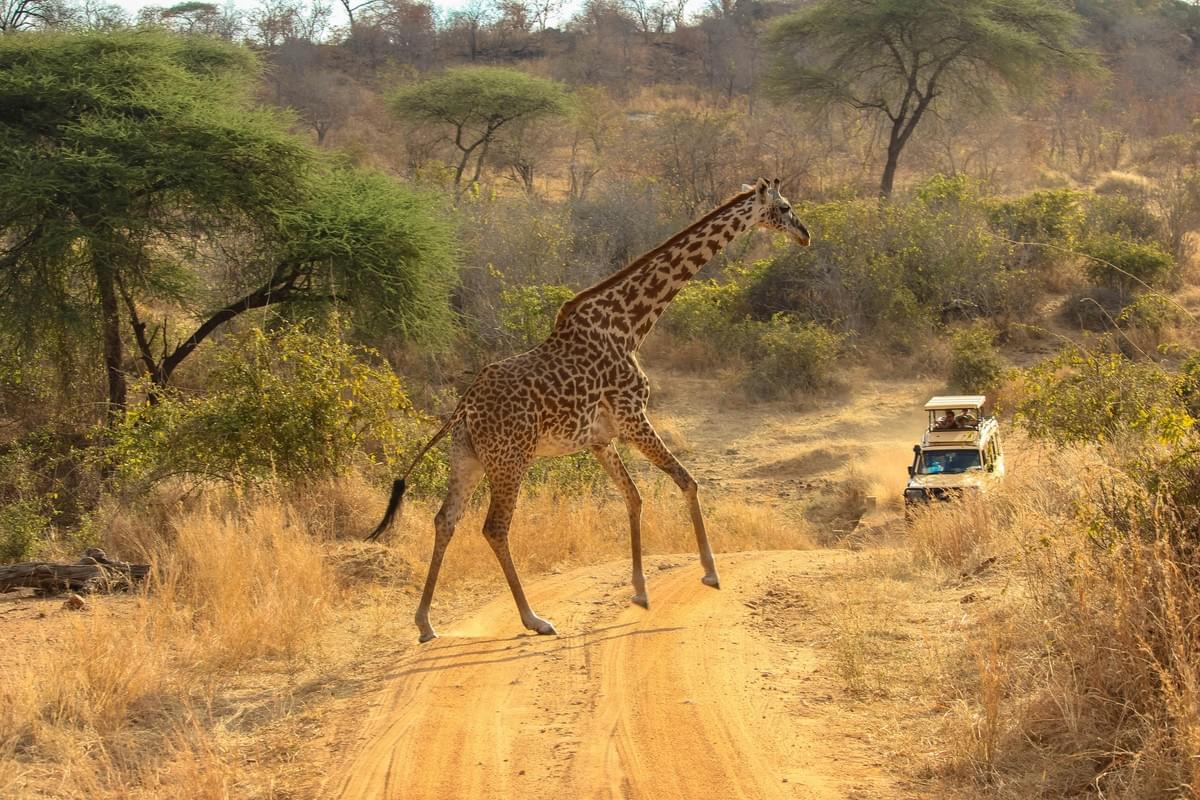
The Tarangire Ecosystem
The Tarangire ecosystem is centered around the Tarangire River, which acts as a vital water source during the dry season. This ecosystem supports a large migration of wildlife, second only to the Serengeti.
- During the dry season (June to October), thousands of animals migrate into the park from surrounding areas, creating incredible wildlife concentrations.
Activities & Game Drives
Visitors to Tarangire can enjoy a variety of activities:
- Morning and evening game drives
- Full-day safari experiences
- Walking safaris (in designated areas)
- Birdwatching tours
- Cultural visits to nearby Maasai communities

Game drives in Tarangire are particularly rewarding during the dry season.
Wildlife Life & Conservation Stories
Tarangire plays a critical role in elephant conservation in Tanzania. The park is part of a larger migratory ecosystem that supports wildlife movement between protected areas and community lands.
Conservation efforts focus on:
Protecting elephant corridors
- Reducing human-wildlife conflict
- Supporting local communities
- Organizations like Tanzania National Parks Authority ensure sustainable tourism and wildlife protection.
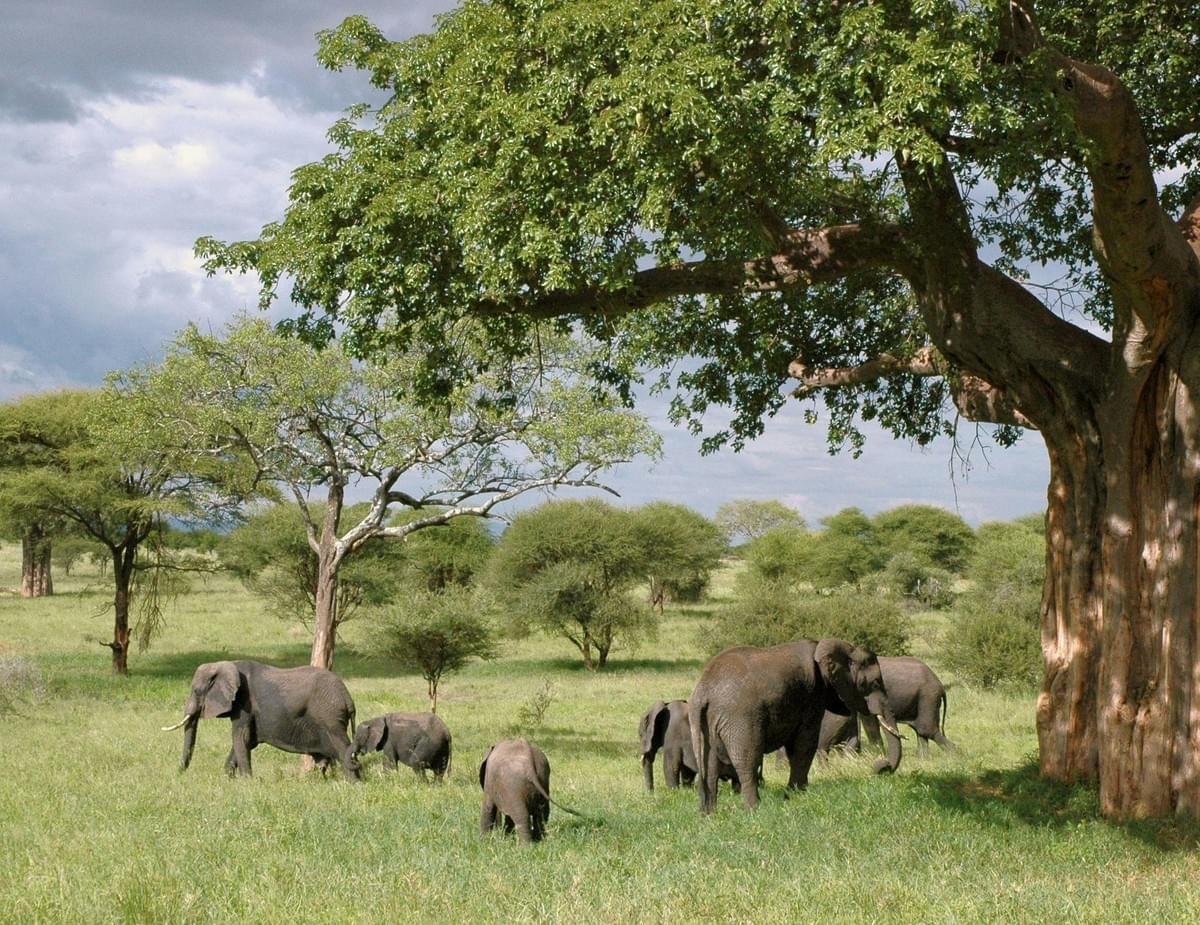
Facilities in Tarangire
Despite its wild setting, Tarangire offers essential facilities:
Visitor centers
- Picnic sites and viewpoints
- Lodges and camps with modern amenities
- Airstrips for fly-in safaris
- Park ranger services
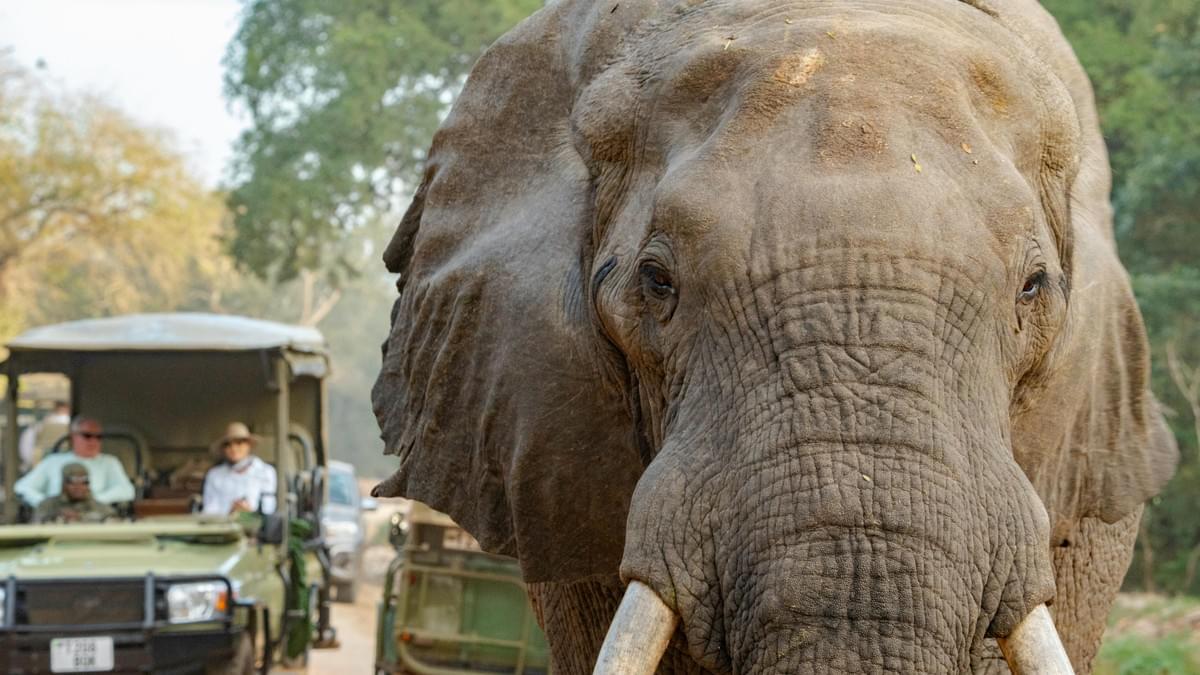
History of Tarangire National Park
Tarangire was established as a national park in 1970. Historically, the area was used for seasonal grazing by Maasai pastoralists before becoming a protected wildlife area.
The park has grown in importance due to its biodiversity and conservation value, particularly for elephants.
Global Recognition & Awards
While less publicized than Serengeti, Tarangire has earned recognition for:
Exceptional elephant population
- Unique baobab landscapes
- Outstanding birdlife diversity
- Inclusion in Tanzania’s top safari destinations
- It is increasingly ranked among Africa’s best parks for authentic, uncrowded safari experiences.
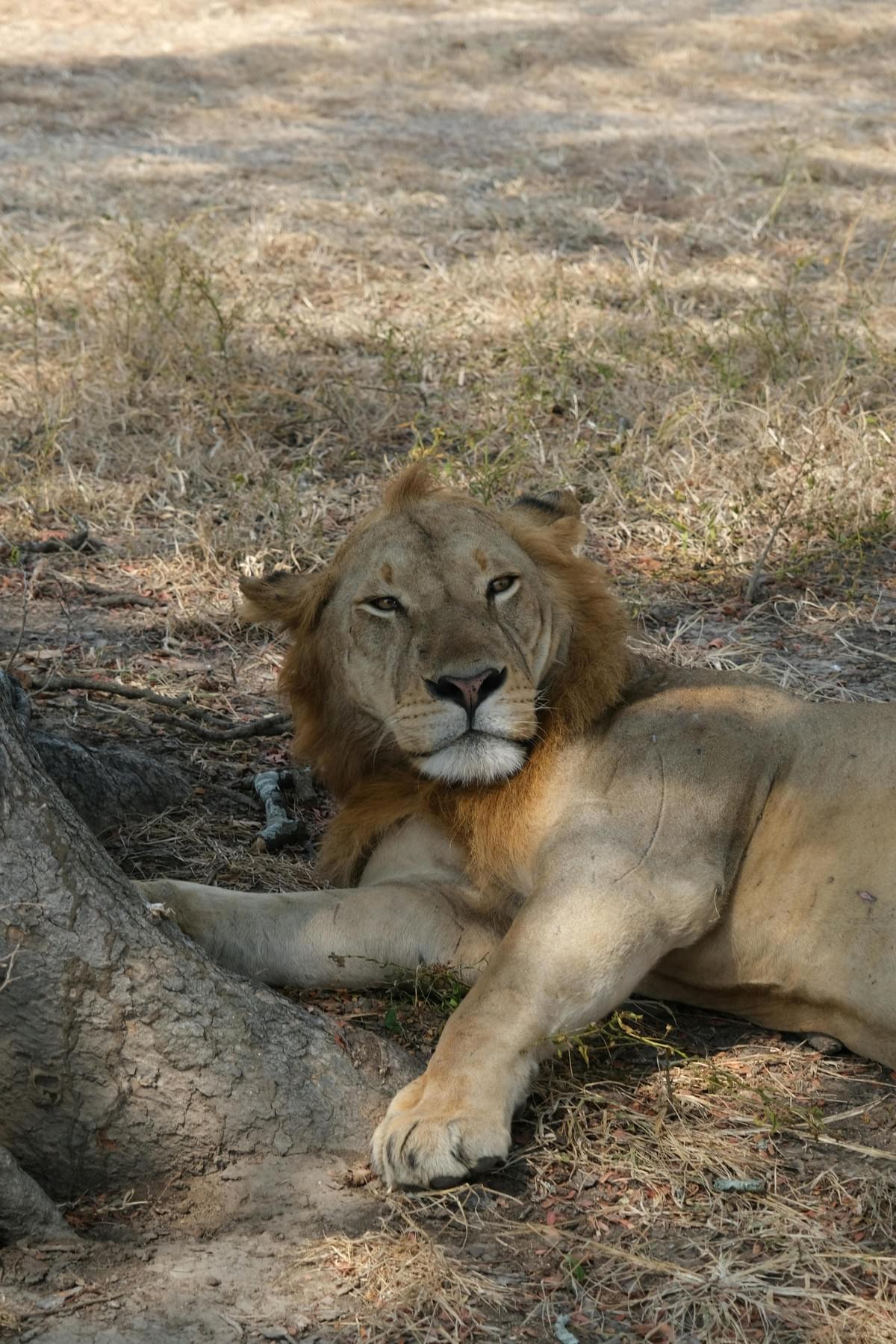
Why Tarangire is Truly Amazing
- Tarangire National Park stands out for its peaceful atmosphere, dramatic landscapes, and rich wildlife. It offers a perfect balance between adventure and tranquility, making it ideal for travelers seeking a more exclusive safari experience
Landscapes Found in Tarangire
Tarangire’s landscapes are both diverse and visually stunning:
- Open savannah plains
- Dense acacia woodlands
- Swamps and seasonal floodplains
- Granite ridges and hills
- Majestic baobab-dotted landscapes
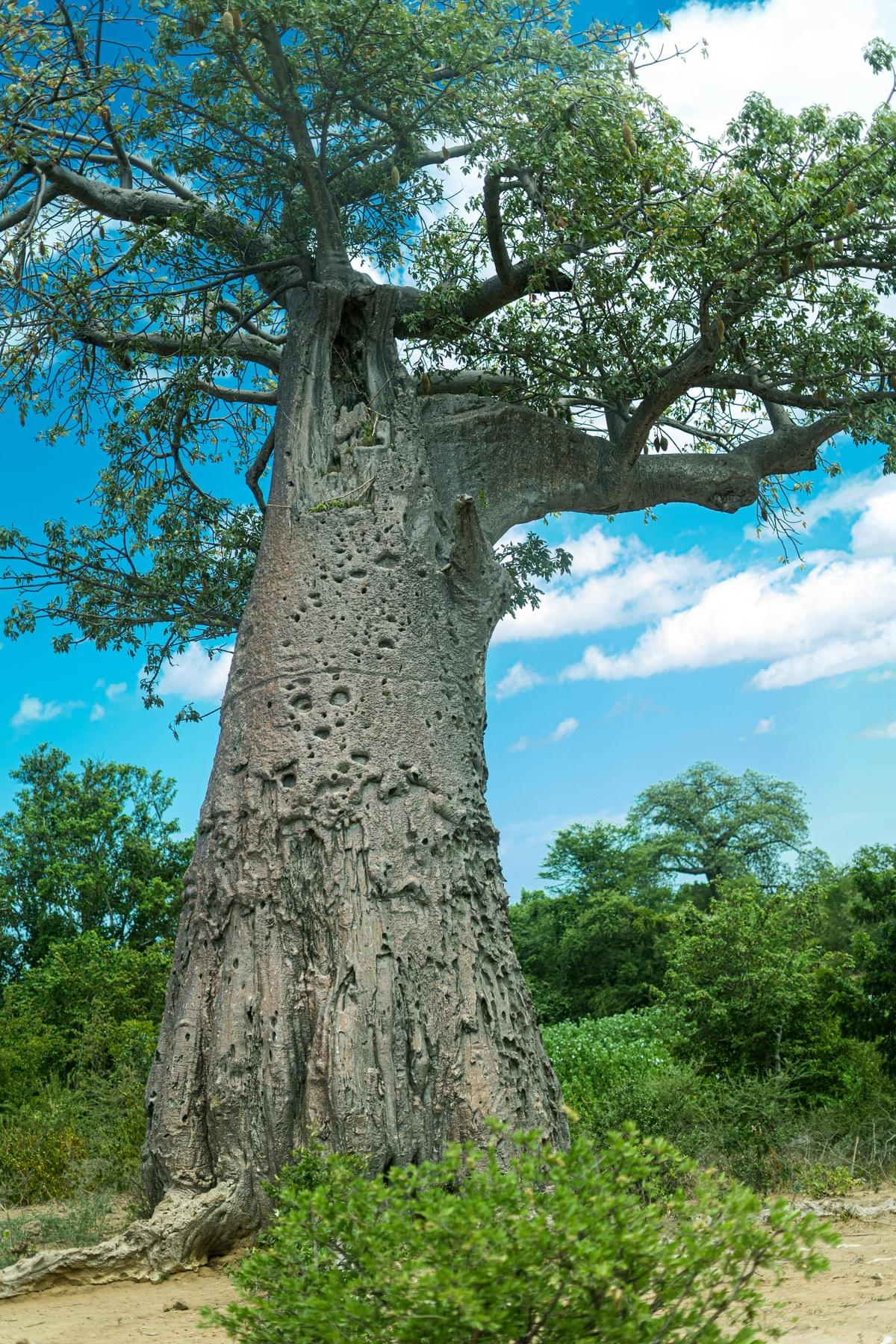
The combination of these habitats makes Tarangire one of the most scenic parks in Tanzania.
Animals and Species Found
Tarangire is famous for its wildlife diversity and large animal populations:
Elephants (huge herds, often 100+ individuals)
- Lions, leopards, and cheetahs
- Buffalo, giraffes, zebras, and wildebeest
- Rare species like fringe-eared oryx and gerenuk
- Over 500 bird species including ostriches, hornbills, and eagles
- The park is particularly renowned for its elephant behavior and close-up encounters.
Spectacular Moments & Unique Experiences
Tarangire offers unforgettable safari moments, including:
- Massive elephant herds gathering at the river
- Predators hunting near water sources
- Dramatic sunsets behind baobab trees
- Seasonal wildlife migration within the ecosystem
- Birdlife activity in wetlands and swamps
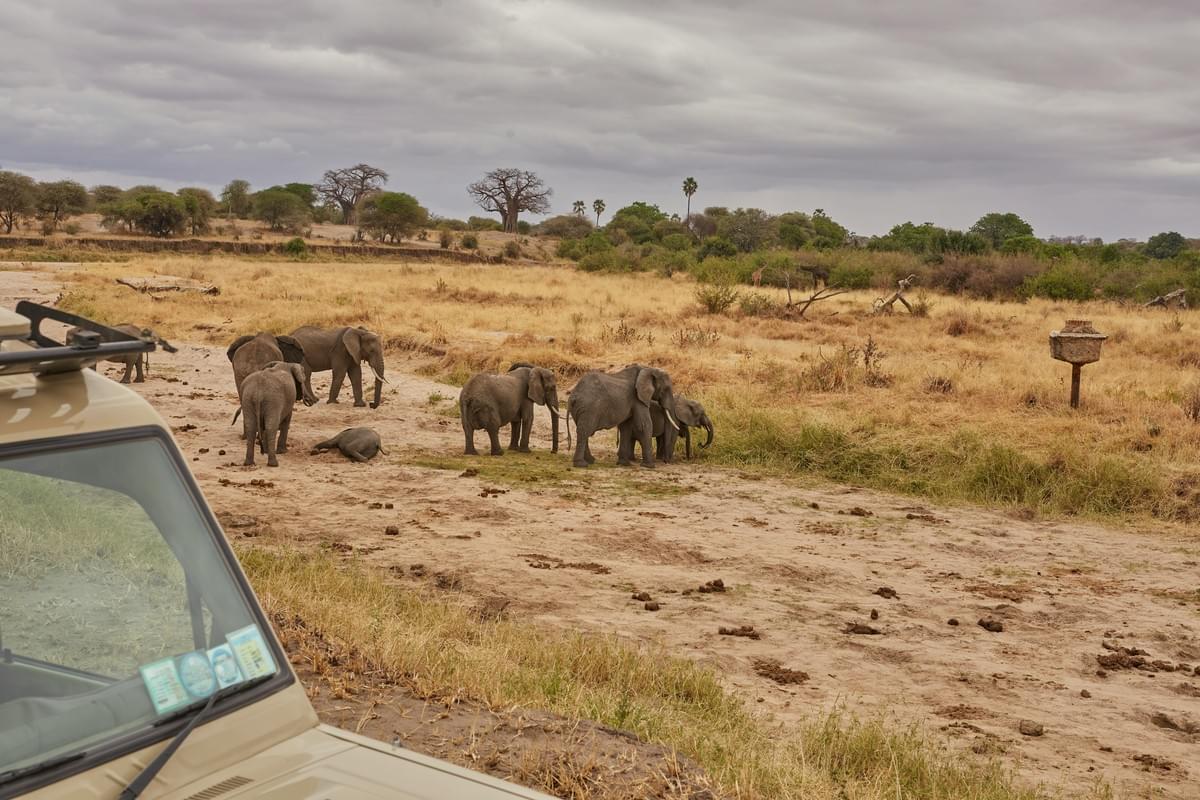
These experiences make Tarangire a photographer’s dream.
Accessibility & Tour Operators
Tarangire is one of the most accessible parks in Tanzania:
By Road: 2–3 hours drive from Arusha
By Air: Charter flights to nearby airstrips
Many professional safari operators based in Arusha organize tours to Tarangire, offering private safaris, group tours, and luxury experiences.
Nearby Parks, Reserves & Accommodation
Tarangire is surrounded by other famous destinations, including:
- Lake Manyara National Park
- Ngorongoro Conservation Area
- Serengeti National Park
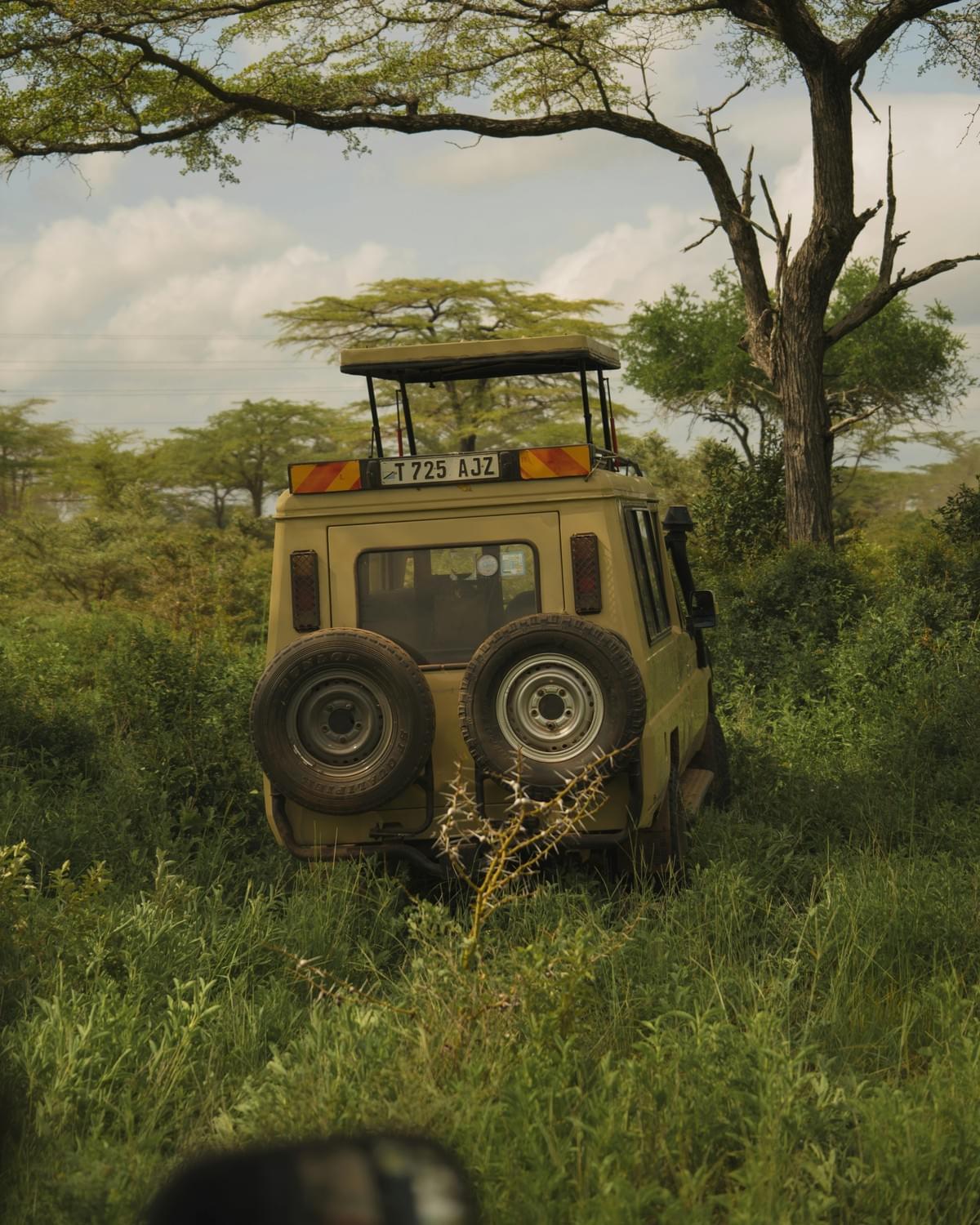
Accommodation Options
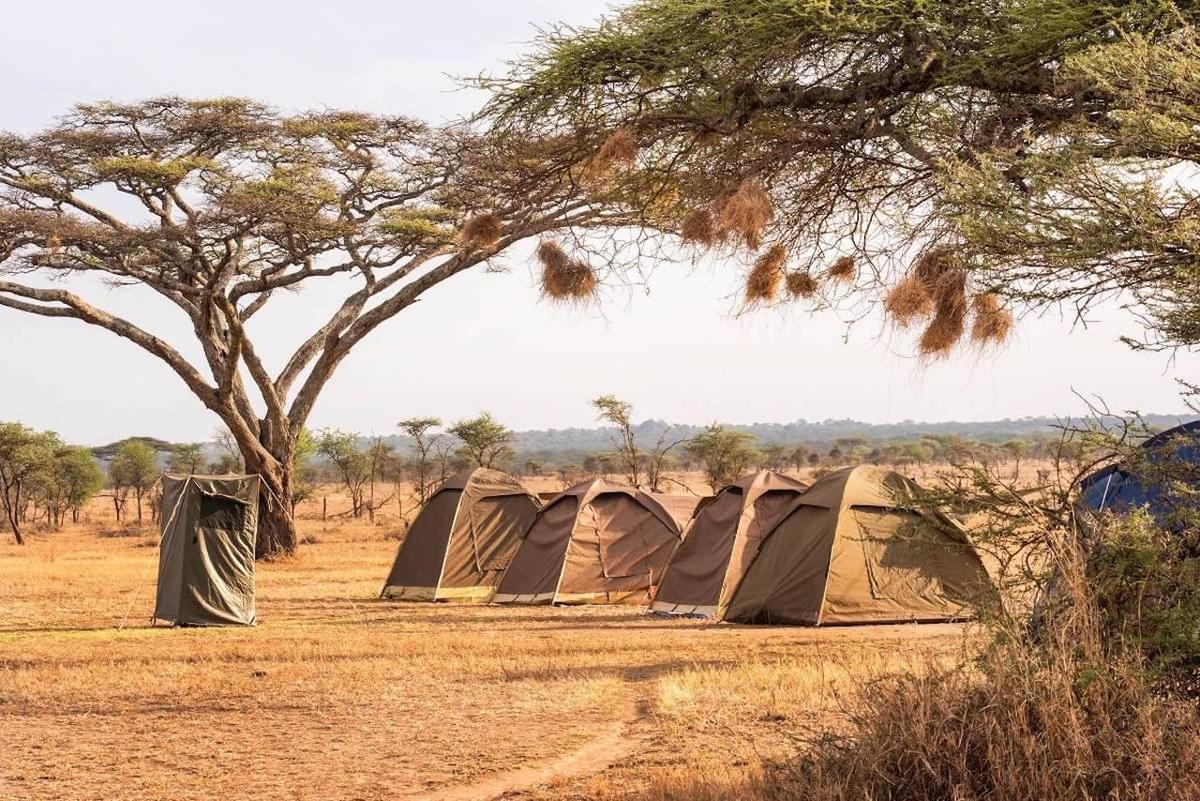
- Luxury lodges with panoramic views
- Mid-range tented camps
- Budget campsites and public camps
Many lodges are located inside or just outside the park, offering stunning views and easy access to wildlife.
what are the Recommended Number of Days?
1 Day:
Ideal for a quick safari or day trip
2–3 Days: Best for deeper exploration and relaxed game drives
Connectivity with Other Parks
Tarangire is perfectly connected to Tanzania’s Northern Circuit, making it easy to combine with:
Serengeti safaris
- Ngorongoro Crater tours
- Lake Manyara day trips
- This makes it a key starting or ending point for longer safaris.
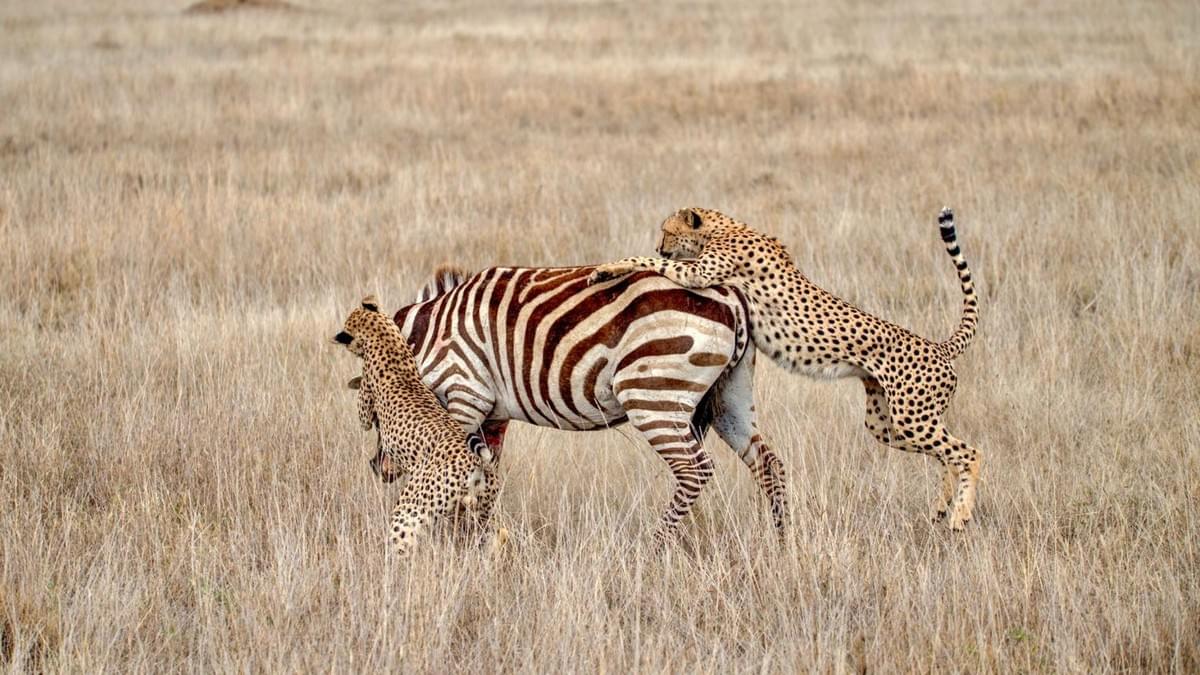
what the Activities & Game Drives done in Tarangire?
Visitors to Tarangire can enjoy a variety of activities:
- Morning and evening game drives
- Full-day safari experiences
- Walking safaris (in designated areas)
- Birdwatching tours
- Cultural visits to nearby Maasai communities
Game drives in Tarangire are particularly rewarding during the dry season.
what are Wildlife Life & Conservation Stories?
Tarangire plays a critical role in elephant conservation in Tanzania. The park is part of a larger migratory ecosystem that supports wildlife movement between protected areas and community lands.
Conservation efforts focus on:
Protecting elephant corridors
- Reducing human-wildlife conflict
- Supporting local communities
- Organizations like Tanzania National Parks Authority ensure sustainable tourism and wildlife protection.

which are the Facilities found in Tarangire?
Despite its wild setting, Tarangire offers essential facilities:
Visitor centers
- Picnic sites and viewpoints
- Lodges and camps with modern amenities
- Airstrips for fly-in safaris
- Park ranger services
- History of Tarangire National Park
Tarangire was established as a national park in 1970. Historically, the area was used for seasonal grazing by Maasai pastoralists before becoming a protected wildlife area.
The park has grown in importance due to its biodiversity and conservation value, particularly for elephants.
Global Recognition & Awards
While less publicized than Serengeti, Tarangire has earned recognition for:
Exceptional elephant population
- Unique baobab landscapes
- Outstanding birdlife diversity
- Inclusion in Tanzania’s top safari destinations
- It is increasingly ranked among Africa’s best parks for authentic, uncrowded safari experiences.
Why Tarangire is Truly Amazing?