Climbing Mount Kilimanjaro is a challenge that anyone with a reasonable level of fitness can tackle successfully. But statistics show that many climbers fail to make the summit. Why? Here are the 13 biggest mistakes people make while climbing Kilimanjaro. Avoid these blunders and boost your chance of reaching the Roof of Africa with Kilimanjaro experts.

The highest point in Afrika
1:FOCUSING TOO MUCH ON MAKING THE SUMMIT
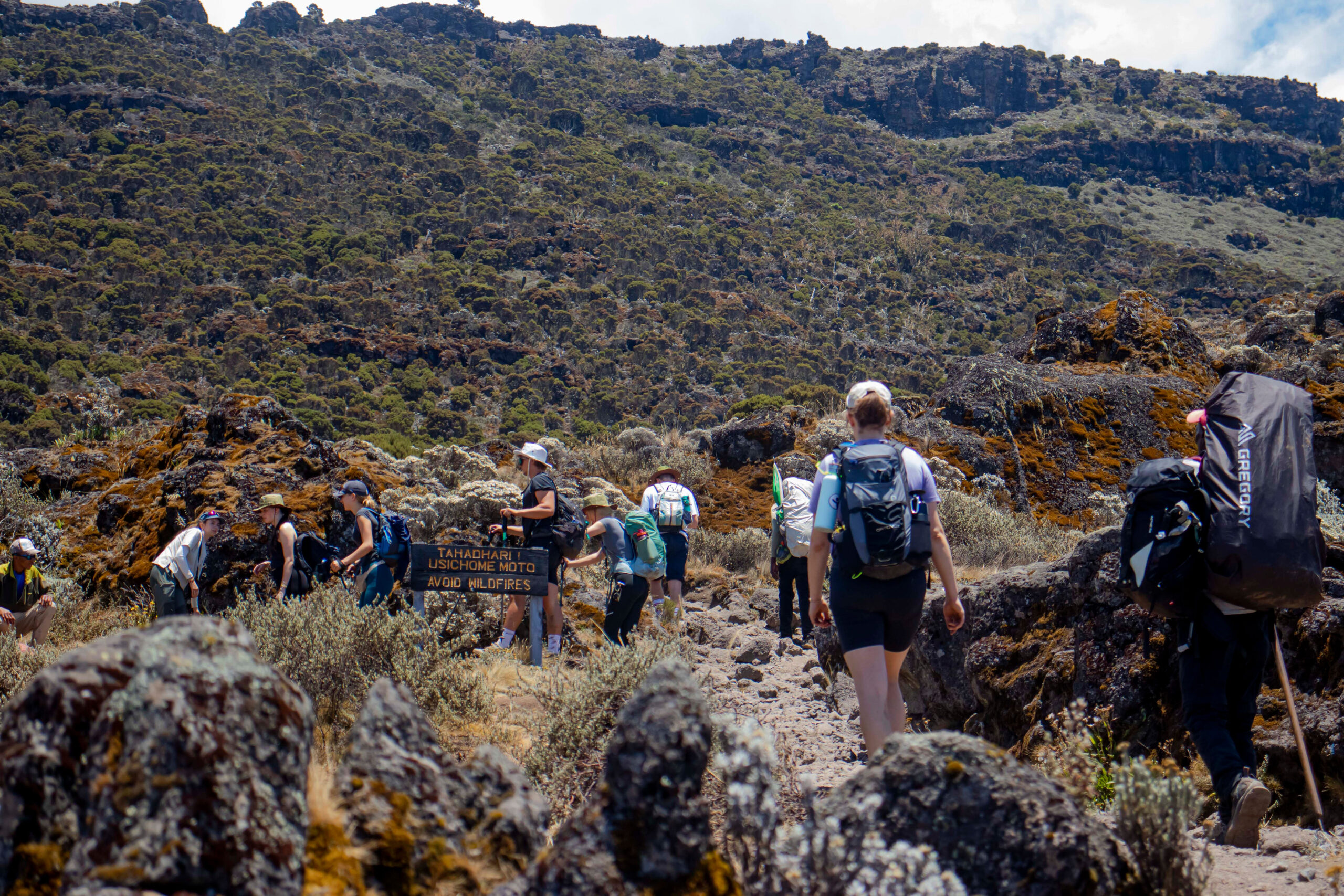
Nearly everyone who climbs Kilimanjaro wants to reach the top. However, the summit makes up just one step out of the thousands of steps it took to get there. It takes up just a few square feet of space in a 756 square mile park. Enjoy your time on the mountain without worrying about what is coming next. Live in the moment. Appreciate the views, bond with fellow climbers and bask in the natural wonder around you. By taking this approach, even if you don’t make it to the summit, you still leave with a lifetime of fond memories.
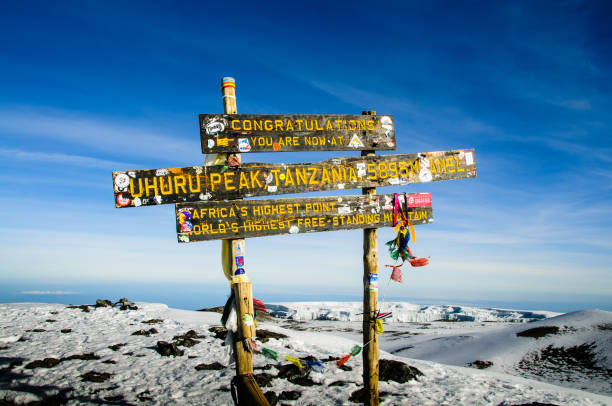
Mt. Kilimanjaro summit uhuru peak, Tanzania
2 NOT TURNING AROUND SOONER
It is likely that most people will experience some form of altitude sickness during the trip. Above 10,000 feet, more than 85% of all climbers will have symptoms of mild acute mountain sickness. This is normal. It is OK to proceed as long as the condition does not worsen. Most route itineraries are designed so that altitude sickness is minimized and that climbers have an opportunity to recover during acclimatization days. However, if symptoms worsen and are indicative of moderate acute mountain sickness, climbers should not go any higher. Continuing to climb while sick is the main reason people die on Kilimanjaro. Acute mountain sickness Can be fatal.
Rush to lower attitudes when you feel not okay to continue.
3,FAILING TO PROTECT AGANIST THE ELEMENTS
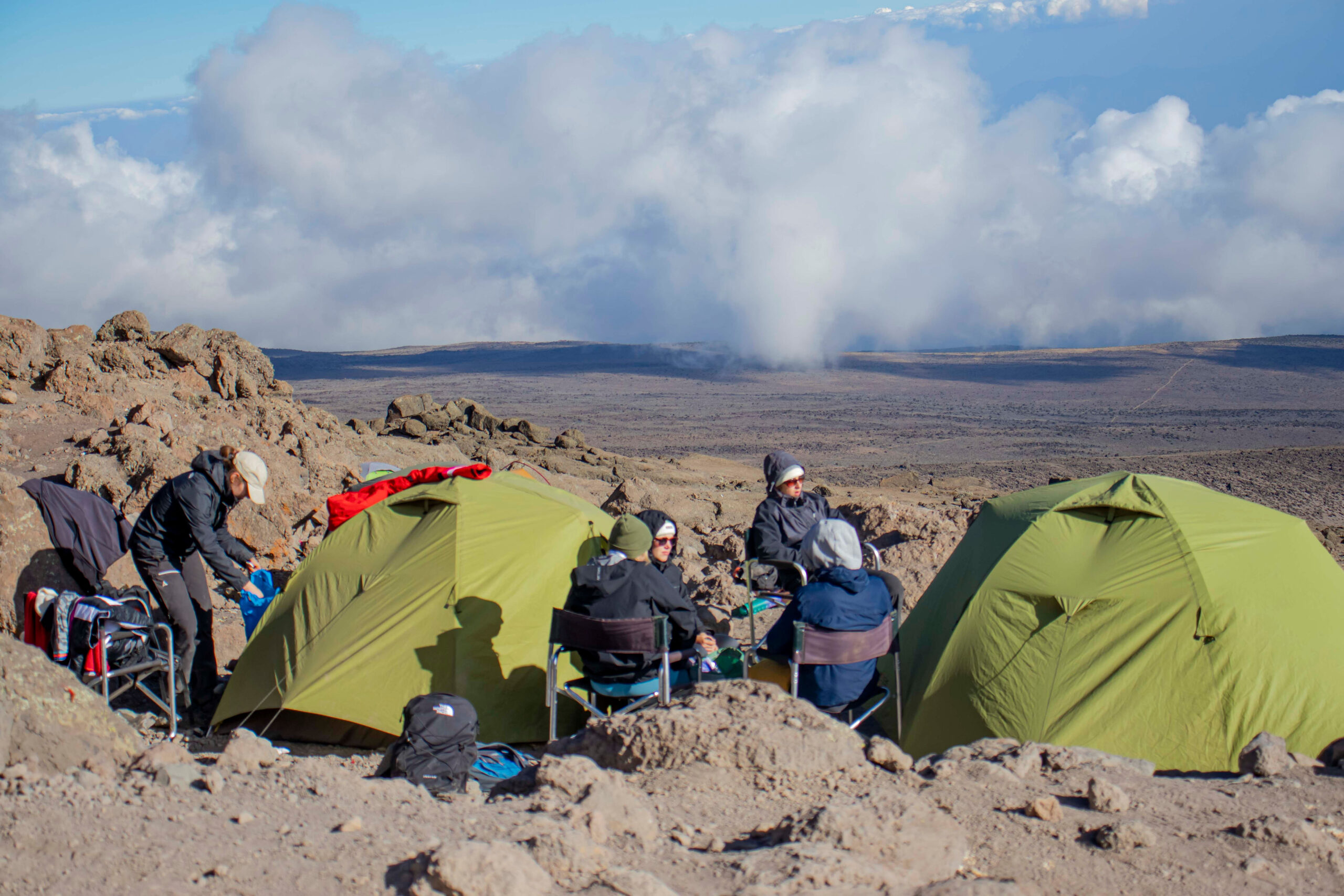
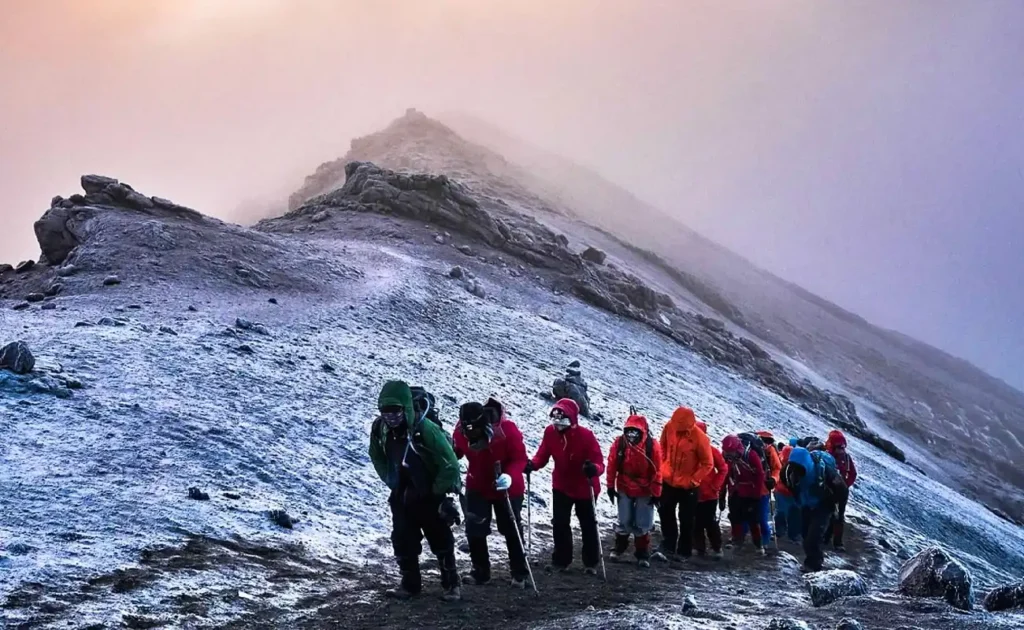
The adverse effects of weather can be deceptive on the mountain. Though not immediately apparent, being exposed to even “nice”weather can sap the body of strength and energy. For instance, the equatorial sun is strong, and climbers need to remember to apply and reapply sunscreen throughout the trek. Sunglasses should be worn during the day to protect the eyes from UV rays. In windy conditions, cover your face with a balaclava or neck gaiter. Do not linger outdoors unnecessarily when at camp. Of course, you need to stay dry and warm at all times by wearing the right gear for the conditions.
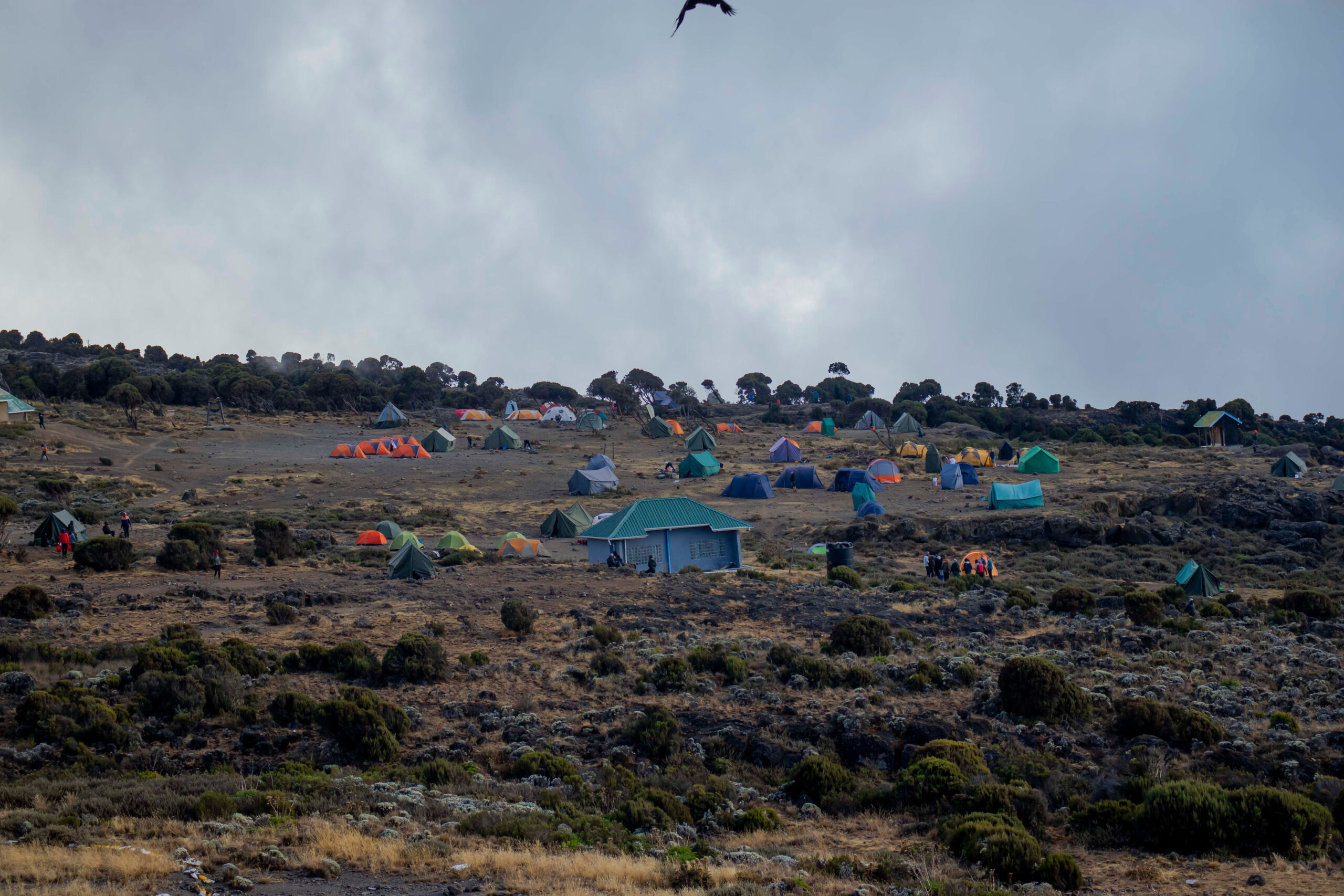
Mountain kilimanjaro camps
4. NOT TAKING CARE OF YOUR FEET
Hiking long distances over consecutive days can put a tremendous beating on your feet. It is important to take a proactive Approach to preventing blisters and other injuries so that your feet hold up for the long haul. On the mountain, if you feel a “hotspot” developing, stop hiking and treat it. Surgical tape, blister tape or duct tape (one of which you should have in your first aid kit) all work well to prevent chafing. If your socks get wet, change into a dry pair. If you are prone to blistering, try using sock liners or toe socks. If you do develop blisters, pop and drain them after you settle into your campsite then tape them the following morning.
Good care of your feet will increase your chance to the summit
5.MAINTAINING POOR HYGIENE
It is a given that climbers are going to get sweaty, dusty and dirty. One of the most common questions people ask is if there are showers available on the mountain. The answer is no. staff will
prepare bowls of warm water and soap for you to wash your face and hands or towel off your body a few times during the day. Soap and water are always available at the campsites. Whether you want to towel off your body is a personal choice. However, climbers should be diligent about cleaning their hands after using the toilet and before eating meals to reduce the likelihood of ingesting harmful pathogens. One sick person can spread germs to the entire trekking party.
Clean tents and toilets at kilimanjaro
6 NOT EATING AND DRINKING ENOUGH
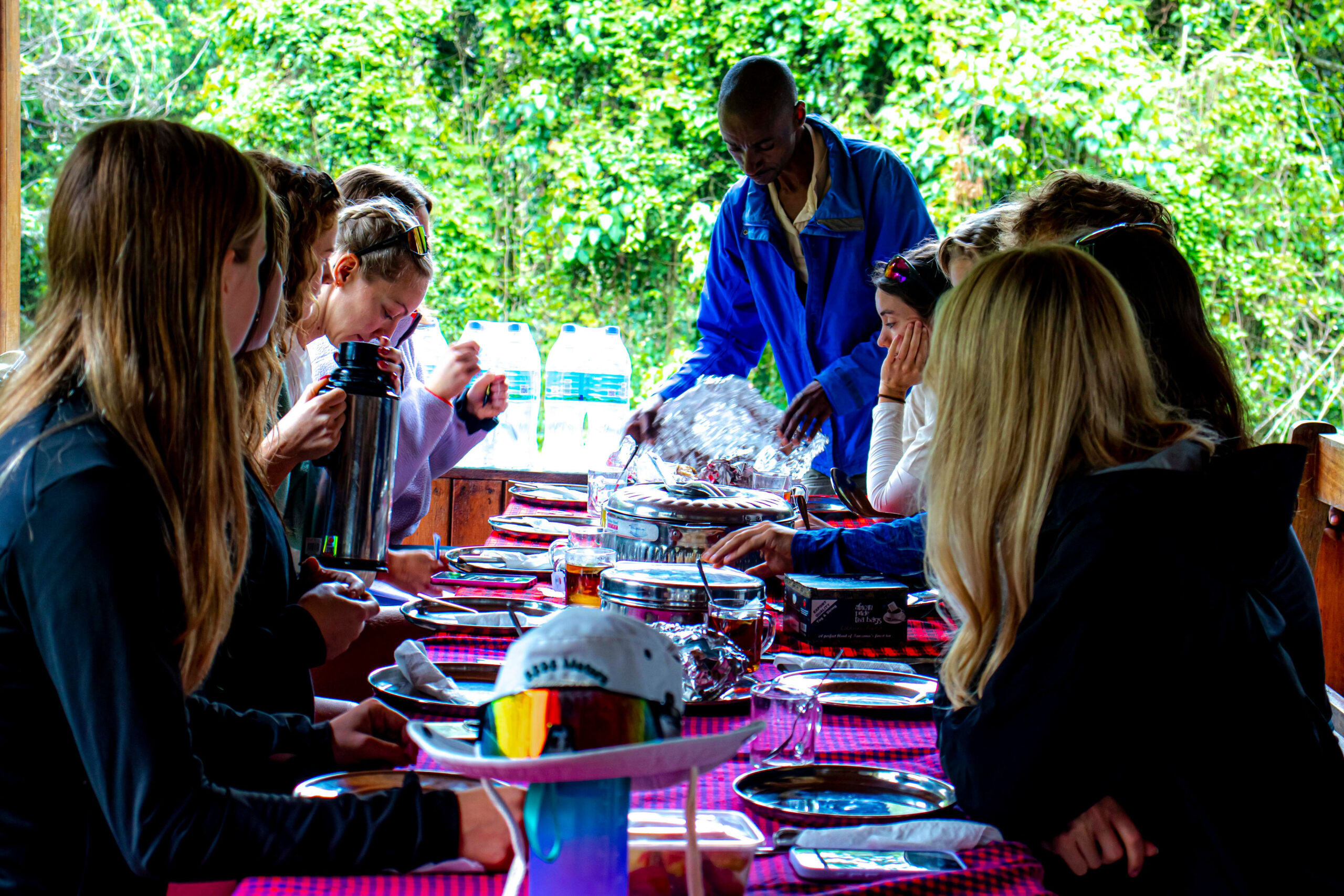
Failing to eat and drink enough reduces the body’s ability to acclimatize and recover. The typical day requires 4-6 hours of hiking at increasingly higher elevations. While at altitude, the body is burning many calories just to continue functioning well. Hydration also plays a role in acclimatization, and it is recommended that you drink four liters of liquid per day. One of the effects of altitude is that it reduces your appetite. A conscious effort should be made to eat and drink even if you do not feel hungry or thirsty.
Having a good and enough meal brings a Good energy to climb the mountain well
7 CLIMBING KILIMANJARO WITH A BUDGET ORGANIZER.
The cost to climb Kilimanjaro varies greatly. This is rather confusing to many people who begin their research because they do not understand how to Distinguish the services provided by the Hundreds of companies on the mountain. Budget companies take advantage of this confusion by talking a good game to make the booking. Unfortunately, those clients find out when it’s too late the Ramifications of using such an operator
incompetent guides, faulty equipment, unhealthy meals, poor medical training and abuse of porters. Climbing with a budget operator decreases the summit success rate, reduces your Comfort, increases the danger and Contributes to the ongoing mistreatment of staff by unethical operator.
8. BRINGING TOO MUCH GEAR TO KILIMANAJRO
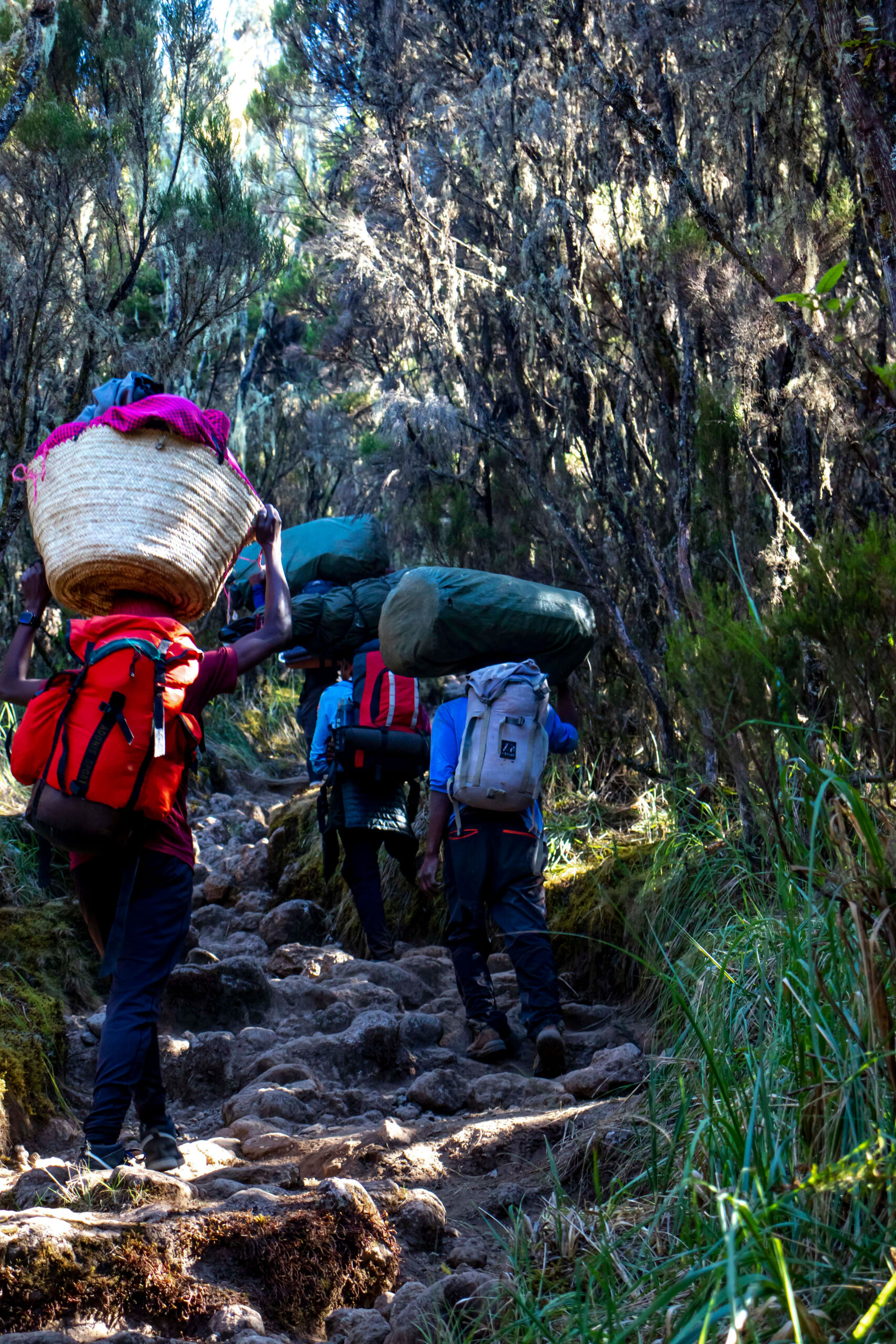
Kilimanjaro expert’s trips are fully supported climbing experiences. That means climbers only need to carry a small day pack while their other gear is transported between campsites by porters. Because of this luxury,
climbers tend to over pack, bringing items they do not need. Do not be tempted to fill up your duffel bag simply to be at the maximum weight allowed. Every item on our gear list has been thoughtfully evaluated and added based on necessity, with some additional items marked as optional. If you intend to bring items not on the gear list, ask yourself if you would be willing to bring it if you did not have porters. If the answer is no, leave it at home.
9.BRINGING THE WRONG GEAR
The mountain can throw all kinds of weather at you, so climbers have to have the right gear to protect against wind, dust, rain, cold, snow and sun. The Kilimanjaro experts. gear list is extensive, but complete. The
most important items on the gear list are – boots, insulated jacket, and rain gear. These three items can make or break you on the mountain because they directly affect your ability to walk and your ability to stay warm. Poor fitting boots or becoming too cold on a hike can end your climb. On the extreme end, you should be able to withstand subzero temperatures and high winds for about six hours during the night summit Ascent.
10.NOT TRAINING FOR THE CLIMB KILIMANJARO
Kilimanjaro is known as the easiest of the Seven Summits. Given that it is not a technical mountain and easily Accessible, people who are in good shape underestimate the physical effort required to summit. Note that having proficiency in other athletic endeavors does not Necessarily translate to high altitude Trekking. Someone who typically runs, lifts weights, or plays other sports should adjust their workout routine
Accordingly. Training should include hiking or exercising on a stair machine at minimum. The more you train, the better prepared
your body will be to deal with all the Elements on Kilimanjaro. At least eight Weeks is recommended.
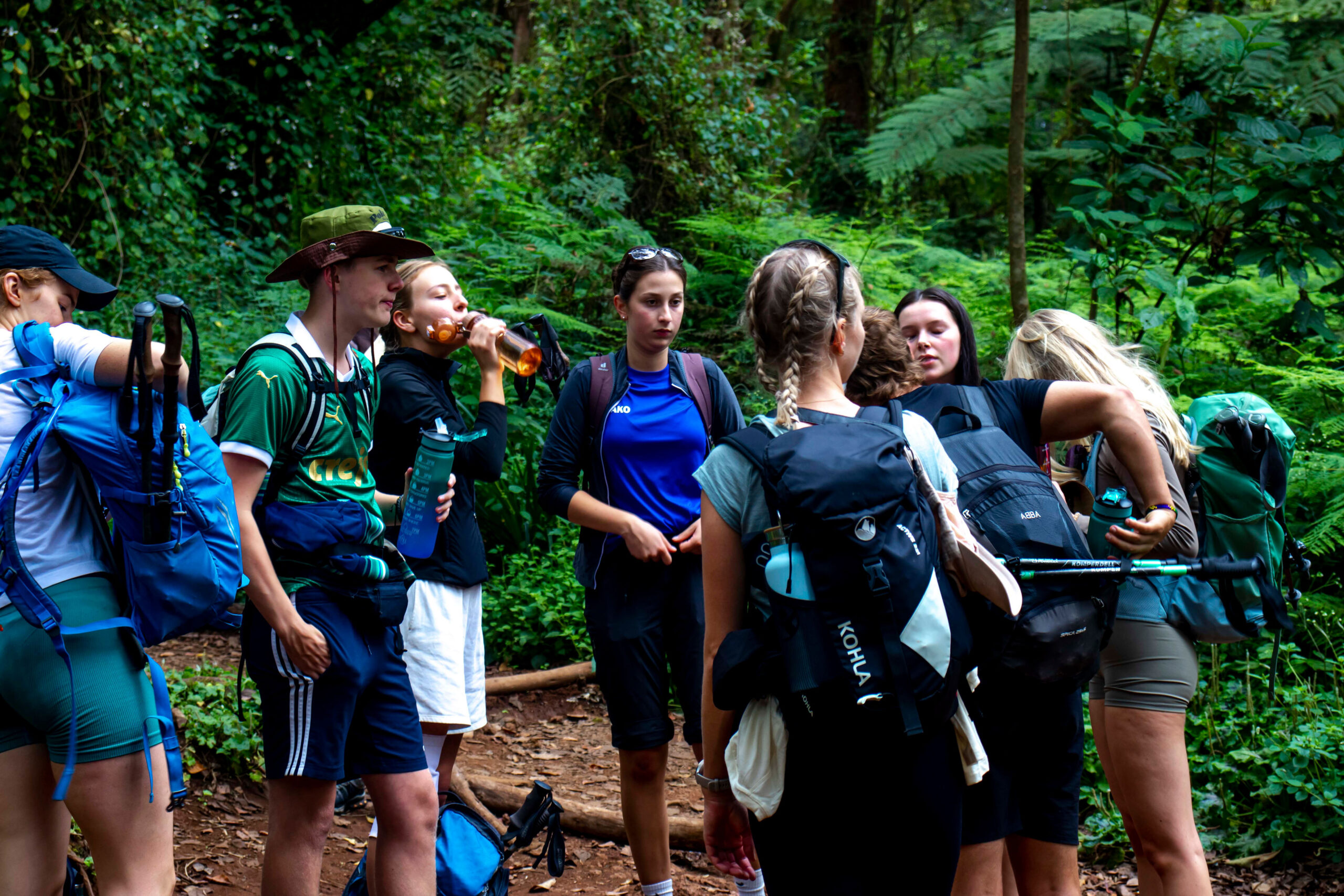
Physical training and always remember to have water breaks
11. CLIMBING KILIMANJARO DURING THE RAINY SEASON
For most people, Kilimanjaro experts strongly Discourages climbing during the rainy season. Many of our customers are first time backpackers who have never had to hike in bad weather. People do not realize that weather is perhaps the biggest factor in whether a day of hiking is easy and enjoyable versus hard and miserable. When a body is wet, there is a risk of hypothermia. Clothes may not get to dry out between hikes, which simply makes wearing the clothes uncomfortable. Visibility and views are limited as well. We do not want your first experience to be your last experience. Therefore, we steer people towards the dry seasons for the best chance of beautiful weather.
It is recommended to check the weather and select good seasons to hike kilimanjaro
12.CHOOSING A SHORT ROUTE TO HIKE KILIMANJARO
It is well known that there is a strong correlation between the number of days spent on the mountain and the summit success rate. According to statistics reported by Kilimanjaro National Park, as a general rule, every additional day on the climb increases the success rate by about 60%. Climbing Kilimanjaro is typically most people’s first experience at such high altitudes. Many people overestimate their ability to Acclimatize, sometimes due to their strong fitness or their previous experience at more moderate elevations and choose five- or six-day routes. However, fitness levels and being at altitude before are not good predictors of
Acclimatization on Kilimanjaro.

choosing shorter routes needs more energy and stamina
13. Going FAST! INSTEAD OF SLOWLY SLOWLY!
Most people think that going up faster will makes them looks very strong among other climbers. but ultimately ends up failure. Go slowly – “Pole Pole” as they say in Swahili! This is also very important during your first days of climbing. Even if you feel well, slow down and enjoy the scenery. The biggest cause of altitude sickness is ascending too high too fast! The slower you hike to more time you give your body to acclimatize.